Compare cost, lifespan, and long-term value before you choose
Choosing a new roof in Columbus usually comes down to two options: asphalt shingles or metal.
Both work. Both come with tradeoffs. The difference shows up over time, especially with Ohio’s mix of heat, wind, snow, and freeze-thaw cycles.
This guide breaks down how asphalt and metal roofs actually perform on Columbus homes. You’ll see how they compare on lifespan, cost, maintenance, and weather resistance so you can decide which option fits your home, your budget, and how long you plan to stay put.
How Columbus Weather Affects Your Roof
Roofing materials behave differently here than they do in milder climates.
Columbus homes deal with hot summers, cold winters, and frequent freeze-thaw cycles in between.
Add spring storms, occasional hail, and strong wind gusts, and the roof takes steady wear year after year.
Those temperature swings matter. Materials expand and contract, seals loosen, and small weaknesses grow faster than homeowners expect.
Snow and ice create their own pressure, especially when melting water refreezes along the roof edge.
Weather tests every roof in Central Ohio. Asphalt and metal can both work here, but they age differently, and that difference matters when you look at cost and timing.
Pros & Cons of Asphalt Shingles for Columbus Homes
Asphalt shingles are the most common roofing choice in Columbus, and there’s a reason for that.
They offer a lower upfront cost, a familiar look, and a wide range of colors and styles that fit everything from older neighborhoods to newer builds.
For many homeowners, asphalt feels like a practical, straightforward option.
Here’s how asphalt shingles typically perform in Central Ohio.
What homeowners like about asphalt shingles:
- Lower initial cost compared to metal roofing
- Faster installation, often completed in a day or two
- Broad style and color options that blend easily with most homes
- Quieter during rain without needing special insulation
Where asphalt shingles tend to struggle:
- Shorter lifespan, especially with Columbus freeze-thaw cycles
- Greater risk of wind lift during strong storms
- Granule loss over time, which reduces protection
- More frequent repairs as the roof ages
Asphalt shingles work best when the roof is maintained and issues are handled early.
They also make sense when budget matters most or when you don’t plan to stay in the home long enough to benefit from a longer-lasting system.
For many Columbus homeowners, asphalt is a solid, familiar choice that gets the job done without a large upfront investment.
Pros & Cons of Metal Roofing for Columbus Homes
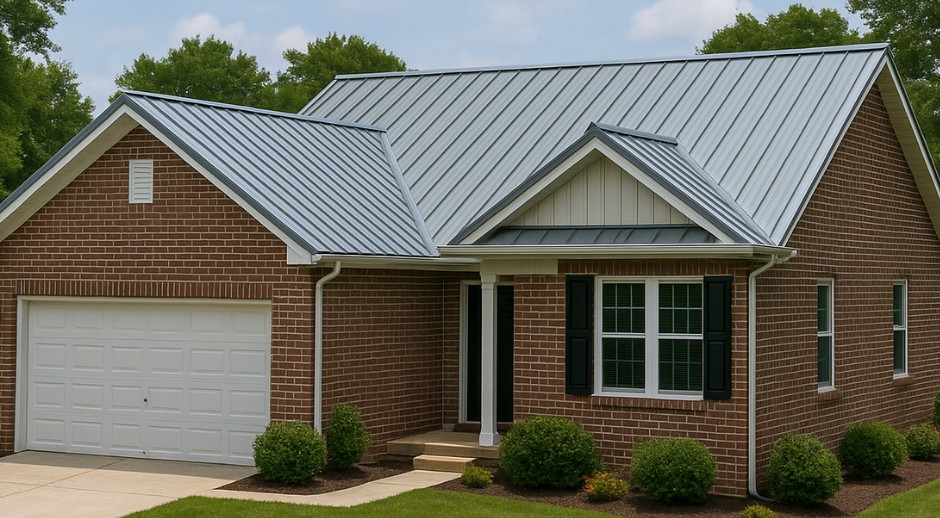
Metal roofing has become more common around Columbus over the past decade, especially as homeowners look for longer-term solutions.
A metal roof costs more upfront, but it offers durability and consistency that appeal to people who plan to stay in their home for a long time.
Many options also blend in better than homeowners expect, especially on traditional houses.
Here’s how metal roofing typically performs in Central Ohio.
What homeowners like about metal roofing:
- Long lifespan, often several decades with basic upkeep
- Strong resistance to wind, hail, and heavy snow
- Less frequent repairs once installed correctly
- Reflective finishes that can help reduce summer heat buildup
Where metal roofing requires more consideration:
- Higher initial cost compared to asphalt shingles
- Installation takes longer and requires experienced crews
- Fewer contractors specialize in metal systems
- Repairs usually cost more if damage does occur
Metal roofing makes the most sense when longevity matters more than upfront price.
For Columbus homeowners planning to stay put, it can reduce the cycle of repairs and replacements that come with shorter-lived materials.
That doesn’t make metal the right choice for everyone, but it does offer a different kind of value than asphalt shingles.
Cost and Long-Term Value in Columbus
Cost matters, but it rarely tells the full story on its own. How long the roof lasts and how often it needs attention usually matter just as much.
Asphalt Shingles
Asphalt shingles come with a lower upfront price, which makes them easier to budget for when a roof replacement wasn’t planned.
Most Columbus roofing crews install asphalt every day, so the process is straightforward and usually moves quickly.
Asphalt tends to make the most financial sense when:
- You want the lowest upfront cost
- You need the job done quickly
- You expect to move in the next several years
The tradeoffs usually show up later:
- Repairs become more common as shingles age
- Wind or hail can shorten lifespan in rough storm years
- You may face another replacement sooner than you’d like
Metal Roofing
Metal roofing costs more upfront because the materials, trim details, and installation require more precision.
For many homeowners, the higher price starts to feel reasonable when they compare it to repeat replacements over time.
Metal tends to make the most financial sense when:
- You plan to stay in the home long-term
- You want fewer future roof decisions
- You value durability and consistency through Ohio weather
The tradeoffs to plan for:
- Higher upfront cost and a longer install timeline
- Fewer contractors specialize in metal systems
- Repairs can cost more if a section ever needs work
How This Applies to Your Home
Asphalt usually fits a shorter timeline and a tighter budget. Metal usually fits homeowners who want long-term predictability. A quick inspection and a clear estimate can help you decide which one matches your home and your plans.
Durability and Lifespan in Central Ohio
How long a roof lasts depends on more than the material you choose.
Weather exposure, maintenance, and how the roof was installed all play a role.
Still, asphalt and metal tend to follow different patterns over time.
Asphalt Shingles
Asphalt shingles work well when conditions stay moderate and the roof gets regular attention.
- Typical lifespan ranges from 15 to 30 years
- Performance drops faster after repeated wind, hail, and freeze-thaw cycles
- Granules wear down over time, which weakens UV and moisture protection
- Repairs are common as the roof ages, especially after storms
For homeowners planning to move within the next decade, that lifespan often lines up well with their timeline.
Metal Roofing
Metal holds up longer because it doesn’t shed its protective layer the way shingles can.
- Lifespan often falls between 40 and 70 years
- Panels handle wind, snow, and temperature swings with less stress
- Fewer exposed edges mean fewer places for water to work its way in
- Maintenance stays minimal when the system is installed correctly
This longer lifespan appeals to homeowners who plan to stay put and want fewer roofing decisions down the road.
Neither option is automatically “right.” The difference comes down to how long you want the roof to last and how much maintenance you’re comfortable dealing with along the way.
Comparing Cost Over the Life of the Roof
Upfront price matters, but it’s only part of the story. The bigger question most homeowners wrestle with is how the roof fits into their budget now and a few years down the road.
Asphalt shingles usually win on initial cost. Materials and labor are more affordable, and installation moves quickly. For many homeowners, that makes shingles the practical choice when a roof needs attention sooner rather than later.
Metal roofing costs more to install, and that price difference is real. The tradeoff shows up over time. A longer lifespan, fewer repairs, and lower maintenance often balance out that higher starting point, especially if you plan to stay in the home.
To put that into perspective, here’s how cost typically plays out:
- Asphalt roofs cost less upfront but may need replacement once or twice over the same period
- Metal roofs cost more at the start but are often the last roof the home needs
- Repairs and maintenance tend to add up faster with shingles
- Energy savings and insurance considerations can shift the math for metal
Neither option is automatically “cheaper.” The better value depends on how long you expect the roof to serve you and how much unpredictability you’re comfortable with along the way.
How Long Each Roof Type Typically Lasts in Columbus
Lifespan matters because it shapes how often you deal with repairs, replacements, and unexpected costs.
Ohio’s mix of heat, cold, wind, and storms plays a big role in how long a roof actually holds up, not just what the manufacturer advertises.
Asphalt Shingle Roof Lifespan
Asphalt shingles usually last 15 to 30 years in Columbus, depending on quality, ventilation, and storm exposure.
Freeze-thaw cycles, hail, and strong winds slowly wear away the protective granules that keep shingles sealed. As that layer thins, repairs become more common and leaks show up more easily.
To give this some context, homeowners often start seeing issues like curling, granule loss, or isolated leaks well before the roof reaches the upper end of that range.
Metal Roof Lifespan
Metal roofs typically last 40 to 70 years when installed correctly and maintained.
Instead of wearing down bit by bit, metal panels tend to hold their shape and protective finish for decades. Snow slides off more easily, wind has fewer edges to grab, and seasonal temperature swings cause less long-term stress on the system.
That longer lifespan doesn’t mean metal is maintenance-free, but it does mean replacements are far less frequent.
The key takeaway here isn’t that one option is always better.
It’s that lifespan affects how often you revisit this decision. For some homeowners, replacing a roof once or twice fits their timeline. For others, installing a roof they may never need to replace carries real value.
Questions To Ask Yourself Before Choosing Asphalt Or Metal
A few honest questions usually point you in the right direction.
Before you decide, pause and walk through these one at a time.
How long do you plan to stay in the home?
Staying long-term often makes metal easier to justify. Shorter timelines usually favor asphalt.
How comfortable are you with the upfront cost?
Asphalt keeps the initial investment lower. Metal costs more upfront but reduces future replacements.
How often do you want to think about roof maintenance?
Metal typically needs less attention over time. Asphalt may require periodic repairs as it ages.
Does neighborhood style or HOA guidance matter?
Some areas lean traditional. Others are more flexible. Make sure the roof fits the setting.
What matters more right now: short-term savings or long-term stability?
Neither answer is wrong. The best choice matches how you live in the home.
These questions don’t force a decision. They help clarify which option fits your situation without overthinking it.
Ready To Choose The Right Roof For Your Columbus Home?
Choosing between asphalt shingles and metal roofing comes down to how you live in your home, how long you plan to stay, and what kind of investment makes sense for you.
Both options can perform well when they’re installed correctly and matched to the situation.
If you want help thinking it through, we’re happy to walk the roof with you and talk through real numbers, timelines, and tradeoffs. No pressure. No blanket recommendations.
A clear inspection and an honest conversation make the decision easier.
If you’re ready for that next step, schedule a roof evaluation or call (614) 344-6578 to speak with a local Columbus roofing team that will tell you what actually makes sense for your home.
Key Takeaways
- Asphalt shingles and metal roofing can both work well in Columbus when they’re matched to the home, budget, and timeline.
- Asphalt shingles cost less upfront and make sense for shorter ownership windows or tighter budgets.
- Metal roofs cost more initially but last much longer and reduce maintenance over time.
- Columbus weather affects both materials, but proper installation matters more than material alone.
- How long you plan to stay in your home should guide the repair-versus-investment decision.
- A professional inspection helps translate roof condition into clear next steps instead of guesswork.
Homeowners Also Ask:
Is a metal roof worth the extra cost in Columbus, Ohio?
A metal roof can be worth the cost if you plan to stay in your home long-term and want fewer replacements and repairs. For shorter ownership timelines, asphalt shingles often make more financial sense because of the lower upfront price.
How long do asphalt shingle roofs usually last in Columbus?
Most asphalt shingle roofs in Columbus last about 15 to 30 years. Weather, ventilation, installation quality, and maintenance all play a role, so some roofs reach the lower end of that range faster.
Do metal roofs work well in Ohio winters?
Yes. Metal roofs shed snow more easily and reduce ice dam buildup, which helps during freeze-thaw cycles common in Columbus. Proper insulation and ventilation still matter regardless of material.
Is one roofing option better for resale value?
Metal roofs often appeal to buyers who want long-term durability and low maintenance, while asphalt shingles appeal to buyers looking for familiarity and lower cost. Both can support resale when the roof is in good condition.
Can I switch from asphalt shingles to metal when replacing my roof?
In most cases, yes. A roofer will check the roof structure, local codes, and ventilation to confirm compatibility before recommending the best system for your home.