
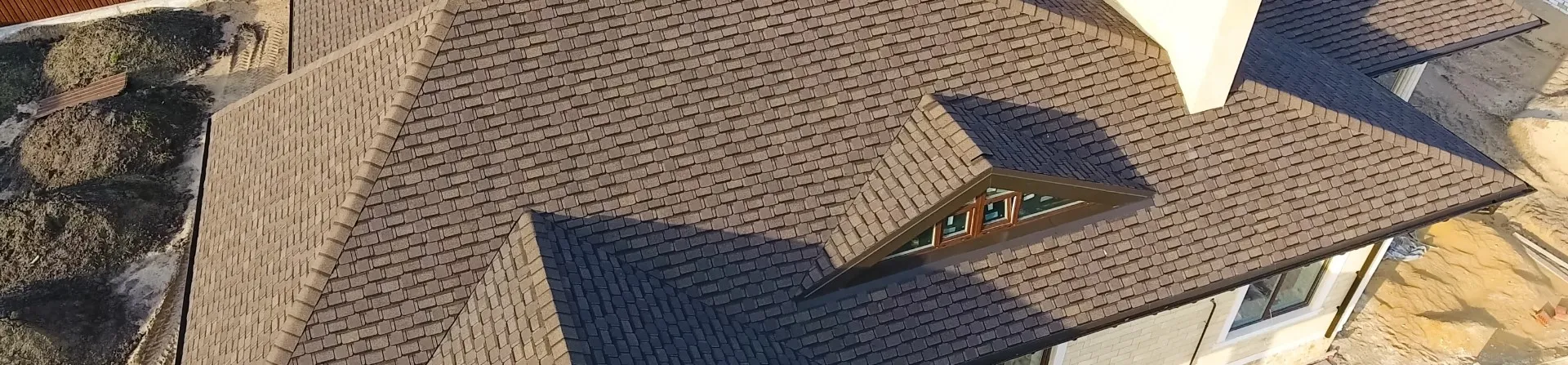
A simple breakdown of roof lifespan, materials, and what really affects longevity
Roofs last a long time, but they don’t last forever.
In Columbus, weather plays a big role in how quickly a roof wears down. Hot summers, freezing winters, and regular storms all add stress year after year. That’s why two roofs installed the same year can end up in very different shape.
This guide breaks down how long roofs typically last in Columbus, what shortens or extends that lifespan, and the signs that tell you where your roof really stands.
By the end, you’ll have a clearer sense of what to expect and how to plan ahead without guessing.
How Long Roofs Typically Last in Columbus (By Material)
Roof lifespan depends heavily on the material on your home.
The numbers you see online often come from national averages, but Columbus weather tends to shorten those timelines.
Below are realistic ranges homeowners here usually see, assuming proper installation and basic maintenance.
Asphalt Shingle Roofs
Asphalt shingles are the most common roofing material in Columbus, mostly because they balance cost and performance.
Here’s what most homeowners can expect locally:
- Standard three-tab shingles: about 15–20 years
- Architectural or dimensional shingles: roughly 20–30 years
Many asphalt roofs in Central Ohio start showing wear closer to the 20-year mark.
Freeze-thaw cycles loosen seals, summer heat dries out the asphalt, and storms slowly strip away protective granules.
Good ventilation and quick repairs can stretch that lifespan, but asphalt still has a clear ceiling.
Metal Roofs
Metal roofs follow a different aging pattern and tend to last much longer in Columbus conditions.
Typical lifespan ranges look like this:
- Steel or aluminum panels: 40–70 years
- Standing seam systems: often toward the upper end of that range
Metal handles temperature swings better and doesn’t rely on granules or adhesive seals the way asphalt does.
Upfront cost is higher, but many homeowners choose metal when they plan to stay put long-term and want fewer replacement cycles.
Other Roofing Materials (Briefly)
Some Columbus homes use less common materials. These options come with longer lifespans but also higher cost and installation requirements.
- Wood shakes: 20–40 years with regular maintenance
- Clay or concrete tile: 50–100+ years
- Slate: often well over 100 years when properly installed
Most homes in the area fall into the asphalt or metal category, but material choice sets the baseline for how long a roof can realistically last.
Why Roof Lifespan Is Often Shorter in Columbus Than You’d Expect
Many roof warranties and lifespan charts assume mild, steady conditions.
Columbus doesn’t offer that luxury.
Local weather puts roofs through repeated stress that adds up faster than most homeowners realize.
Freeze-Thaw Cycles
Winter temperatures in Columbus often bounce above and below freezing.
That constant expansion and contraction loosens shingle seals, stresses fasteners, and opens small paths for moisture. Over time, those tiny gaps turn into leaks.
Summer Heat and UV Exposure
Hot, humid summers dry out asphalt and speed up aging.
Shingles lose flexibility, granules wear away, and heat trapped in the attic bakes the roof from underneath. Poor ventilation makes this process move even faster.
Storms and High Winds
Strong winds lift shingle edges and break seals, even when damage isn’t obvious from the yard. Hail and flying debris add impact stress that shortens lifespan long before a roof looks “bad.”
Columbus roofs don’t usually fail because of one big event. They wear down from years of weather stacking the odds against them.
Factors That Can Add or Subtract Years From Your Roof
Material sets the baseline, but performance depends on what happens after installation. Two roofs made from the same shingles can age very differently based on a few key factors.
Installation Quality
The first day of a roof’s life matters more than most people realize.
Proper nail placement, clean flashing details, and correct underlayment keep water out and stress evenly distributed.
Shortcuts during installation often shave years off a roof before weather ever gets involved.
Ventilation and Insulation
Heat and moisture trapped in the attic age a roof from the inside out.
Poor airflow cooks shingles in summer and allows condensation to build in winter.
Balanced intake and exhaust ventilation helps stabilize temperatures and protects the roof structure underneath.
Maintenance and Small Repairs
Roofs rarely fail because of one big issue.
Small problems compound when they go unchecked.
Replacing a lifted shingle, resealing flashing, or clearing debris keeps water from finding a foothold and extends overall lifespan.
These details don’t change what a roof is made of, but they strongly influence how long it actually lasts in real Columbus conditions.
Signs Your Roof May Be Near the End of Its Life
Age gives context, but condition tells the real story.
A roof can look fine from the street and still be running out of time.
These are the signs Columbus homeowners most often notice when a roof is nearing the end of its useful life.
Here are the red flags worth paying attention to:
- Curling, cracked, or missing shingles: Shingles that no longer lie flat can’t seal out water the way they should.
- Granules collecting in gutters or at downspouts: Granules protect shingles from sun damage. When they wash away, aging speeds up fast.
- Recurring leaks or ceiling stains: One small leak can happen. Repeated moisture usually means the system is breaking down.
- Soft spots or sagging areas: These often point to moisture damage below the surface, not just a surface issue.
- Rising energy bills without another clear cause: An aging roof often struggles to regulate heat, especially when ventilation is lacking.
Seeing one of these doesn’t automatically mean replacement is next. Seeing several at the same time usually means the roof needs a closer look sooner rather than later.
When a Roof Still Has Life Left
Not every aging roof needs to be replaced right away. In many cases, the structure and materials are still doing their job, even if a few issues have started to show up.
Here are situations where a roof often has time left:
- The roof is relatively young: Asphalt roofs under fifteen years old and metal roofs well within their lifespan usually respond well to repairs.
- Problems are limited to one area: Damage near a vent, along an edge, or on a single slope can often be addressed without disturbing the rest of the roof.
- Shingles are still sealed and intact nearby: When surrounding materials are in good shape, a targeted fix can restore protection.
- The roof deck and underlayment are sound: Solid structure below the surface usually means surface issues haven’t spread.
Repairs work best when the roof has proven it can still handle Columbus weather. The key is confirming that small problems are truly isolated and not signs of a larger pattern forming.
Get a Clear Answer on How Much Life Your Roof Has Left
Lifespan charts help, but they can’t tell you where your roof stands today. Two roofs can be the same age and still be in very different shape based on ventilation, storm exposure, and how well small problems got handled over time.
A roof evaluation focuses on condition, not guesswork. We look at shingle sealing, granule loss, flashing integrity, and any signs that moisture has moved below the surface.
We also check the attic when possible, since trapped heat and condensation can shorten roof life without obvious exterior damage.
A clear inspection helps you understand whether your roof has years left, needs a repair to stay on track, or is nearing replacement territory.
If you want a straight answer for your Columbus home, schedule an inspection today and we’ll walk you through what we see and what it means for your next steps.
Key Takeaways:
- Most asphalt shingle roofs in Columbus last about 15–30 years, with many showing wear closer to 20–25
- Metal roofs typically last 40–70 years and are less affected by freeze-thaw cycles, heat, and wind than asphalt shingles.
- Freeze-thaw cycles, summer heat, and storms shorten roof lifespan faster than national averages suggest
- Installation quality, ventilation, and maintenance strongly affect how long a roof actually lasts
- Age matters, but condition tells you far more about how much life your roof has left
Homeowners Also Ask
How long do asphalt shingle roofs usually last in Columbus?
Most asphalt shingle roofs in Columbus last between 15 and 30 years. Many homeowners start seeing noticeable wear closer to the 20–25 year range due to freeze-thaw cycles, summer heat, and storm exposure.
Can a roof last longer with good maintenance?
Yes. Regular inspections, proper attic ventilation, and quick repairs can add several years to a roof’s lifespan. Small issues like lifted shingles or flashing gaps tend to shorten roof life when they go unchecked.
Does insurance care how old my roof is?
Insurance companies often factor roof age into claims decisions. Older roofs may receive limited coverage, especially when damage appears related to wear rather than a specific storm event. Knowing your roof’s condition helps set realistic expectations.
How often should I have my roof inspected?
Once a year is a good rule of thumb, with an additional check after major storms. Regular inspections help catch problems early and give you a clearer picture of how your roof is aging.
Is replacement always necessary once a roof hits a certain age?
No. Age provides context, but condition matters more. Some roofs past twenty years still perform well, while others need attention sooner. A professional inspection helps determine whether repairs can extend the roof’s life or replacement makes more sense.