
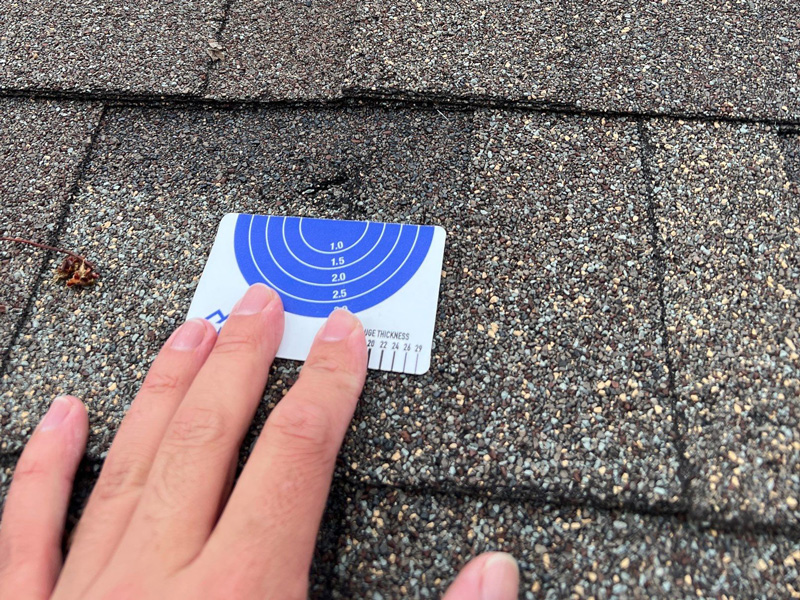
Learn the exact steps to take after storm damage hits your roof so you can act fast and avoid costly mistakes.
Storm damage can turn a normal day into a stressful one fast.
Strong wind, hail, or falling branches can leave you staring at your ceiling or roofline, unsure how serious the damage really is. Worry sets in quickly, especially when water might be getting inside.
This step-by-step guide walks you through what to do after storm damage hits your roof in Columbus.
You’ll learn how to stay safe, stop damage from spreading, document what matters for insurance, and know when to call for emergency help so you can move forward with a clear plan.
Step 1: Make Things Safe
Safety comes first.
Storm damage can leave unstable surfaces, hidden soft spots, and electrical risks. Before you assess anything, lock in a few quick safety moves.
Start with these actions:
- Stay off the roof and keep ladders put away
- Keep kids and pets out of rooms with leaks or ceiling stains
- Shut off power to any area where water is near outlets, lights, or wiring
- Clear a safe path through the space so nobody slips on wet floors
These steps protect your family and prevent avoidable injuries. Once the home is safe, you can shift your focus to stopping water and limiting damage.
Step 2: Stop Interior Water From Spreading
Containing water limits how much damage the storm can cause.
Focus on guiding water where it can’t harm people, belongings, or electrical systems. Small actions here can prevent repairs from growing far beyond the roof.
Take these steps right away:
- Place buckets or containers under active drips
- Lay towels or plastic sheeting to catch splashing
- Move furniture, electronics, and rugs out of the wet area
- Wipe up standing water so it doesn’t soak into floors
These steps won’t fix the roof, but they slow down interior damage while you arrange professional help.
Once water is under control, the next step is knowing when the situation needs immediate outside support.
Step 3: Know When You Need Help Right Now
Certain storm issues can wait until the next step. Others need immediate help.
When the roof structure is compromised or water moves fast, professional help needs to happen immediately.
DIY troubleshooting in these moments can put you at risk and allow more water into the home.
Call a local roofer that offers emergency storm response if you notice any of the following:
- Sagging ceilings or bowing drywall
- Heavy or fast-moving leaks that won’t slow down
- A tree or large limb striking the roof
- Visible holes or exposed roof decking
Skip DIY tarping. A storm-damaged roof can be slick and unstable, and a poorly secured tarp can create new entry points for water.
In these cases, we recommend professional emergency tarping and temporary stabilization. Our crew secures the damaged area safely and stops water intrusion without creating new entry points.
Staying inside the home is usually safe when the structure looks stable and water is contained.
When ceilings continue to sag, electrical systems are exposed to water, or the roof shows signs of failure, move your family to a safer area or leave the home until help arrives.
Step 4: Document the Damage Before Anything Changes
Good documentation supports your insurance claim and helps us price repairs accurately.
Photos and notes show what the storm damaged, where it happened, and when you noticed the first signs. Capture what you can safely, then let a professional document anything that requires roof access.
Start with photos and video from safe spots:
- Take wide photos from the yard that show each side of the house and the full roofline
- Use your phone’s zoom or take photos from an upstairs window for closer views of shingles and ridge areas
- Photograph dents or bends in gutters, downspouts, vents, and chimney metal since these often show storm impact clearly
- Capture interior stains, active drips, and water-damaged drywall
- Photograph attic moisture, wet insulation, or darkened wood if you can access the attic safely
Next, write down a short timeline. Include the storm date and approximate time, when you first noticed damage, and any changes since then, like a stain that grew or a drip that started later.
Finally, save receipts for any temporary protection or drying supplies, including tarping invoices, dehumidifiers, fans, and wet-dry vac rentals. These records reduce insurance questions and help us match the repair plan to the real scope of damage.
Step 4: Document the Damage Before Anything Changes
Good documentation supports your insurance claim and helps us plan repairs without guesswork.
Photos and notes show what the storm damaged, where it happened, and when you noticed the first signs. Capture what you can safely, then let a professional document anything that requires roof access.
Take Photos and Video From Safe Spots
Start with wide shots, then get closer views without climbing on the roof. Use your phone’s zoom, stand farther back in the yard, or shoot from an upstairs window if you have a clear view.
Capture images of:
- Each side of the house and the full roofline
- Missing shingles, lifted tabs, or torn edges you can see from the ground or a window
- Dents or bends in gutters, downspouts, vents, and chimney metal
- Tree limbs or debris resting on the roof or in valleys
- Interior stains, active drips, and water-damaged drywall
- Attic moisture, wet insulation, or darkened wood if attic access is safe
Wide photos show location. Closer views show detail. Both help insurance and speed up the repair plan.
Write a Short Timeline
A simple timeline keeps your claim and repair conversations consistent.
Write down the storm date and approximate time, when you first noticed damage, and what changed after that.
Notes like “stain started small and grew overnight” or “drip began during the second rain” help us track the problem faster.
Save Receipts and Paperwork
Keep receipts for anything you buy, rent, or pay for to prevent further damage.
Common examples include tarping invoices, dehumidifiers, fans, and wet-dry vac rentals.
A clean record reduces insurance questions and supports reimbursement when your policy allows it.
Step 5: Get Temporary Protection in Place
Temporary protection stops the situation from getting worse.
Once you document the damage and contain interior water, focus on keeping new moisture out until permanent repairs happen. Clear roles matter here, since storm-damaged roofs create safety risks.
Let a Professional Handle Emergency Tarping
A roofing crew should handle tarping and stabilization.
We secure heavy-duty tarps over the damaged area, extend them past the problem spot, and fasten them in a way that sheds water without opening new entry points.
Proper placement keeps wind from lifting the tarp and helps prevent water from sneaking underneath.
Skip DIY Outdoor Fixes
Roof work after a storm is risky.
Wet surfaces slip, debris hides weak spots, and unstable decking can give way without warning.
A poorly placed tarp or sheet of plastic can also tear loose or trap water against the roof surface.
Save Proof of Temporary Work
After temporary protection is in place, keep the invoice and take a few photos from the ground.
These records show what was done to prevent further damage and help support your insurance claim and repair plan.
Step 6: Start the Insurance Claim
Once the roof is stabilized, loop insurance in.
Calling early helps set expectations and prevents delays later. You don’t need every answer before you make the call, but you do need a clear record that storm damage occurred.
When you contact your insurance company, be ready to share:
- The date and general time of the storm
- What damage you’ve seen so far, such as leaks, missing shingles, or tarping in place
- Photos you’ve already taken and notes from your timeline
Ask what comes next in their process. Some insurers send an adjuster first. Others ask for a contractor inspection before scheduling a visit. Write down the claim number, adjuster name, and any instructions so nothing gets missed.
Plan to be present for the adjuster visit. Walk them through the damage you documented and point out interior stains or attic moisture. Clear documentation and a calm walkthrough keep the claim focused on what the storm actually caused.
Step 7: Choose the Right Roofer for Repairs
The right contractor keeps the repair focused and avoids unnecessary problems.
After a storm, roofing companies get busy fast. Taking a short pause to compare options helps you avoid rushed decisions and makes sure the work actually addresses the damage your roof has.
Start by getting two or three written estimates from local roofing companies. Each estimate should clearly spell out:
- Which areas need repair and why
- What materials the crew plans to use
- Whether temporary protection is already in place
- How long the repairs should take
- Warranty details and proof of insurance
Written scopes make it easier to compare plans side by side instead of guessing based on price alone.
Be cautious with door-to-door offers. Contractors who show up uninvited, push for same-day signatures, or promise to cover your deductible often disappear once the job is done. A reliable roofer gives you time to review the estimate, answers questions directly, and provides documentation without hesitation.
Choosing a local Columbus roofer keeps accountability close to home and helps ensure the repair holds up to local weather and code requirements.
Step 8: Decide Between Repair and Replacement
This decision comes down to patterns, not one broken shingle.
Storm damage often exposes issues that were already developing. Looking at the roof as a whole makes the next step clearer.
When a Repair Usually Makes Sense
Repairs work best when damage stays limited and the rest of the roof still performs well. A roofer will often recommend a repair when:
- Damage is confined to one area or one slope
- Surrounding shingles still seal properly
- Flashing or vent damage caused the leak
- The roof still falls within its expected lifespan
In these cases, a targeted fix restores protection without disturbing healthy sections of the roof.
When Replacement Becomes the Smarter Option
Replacement enters the conversation when problems spread or repeat. A full replacement often makes more sense when:
- Damage affects multiple slopes or large sections
- Shingles continue to lift, crack, or shed granules
- Underlayment or decking no longer blocks moisture
- The roof is near the end of its service life
At this stage, repairs tend to lose staying power and turn into recurring calls.
A professional inspection ties everything together.
Clear documentation and an honest assessment help you choose the option that protects your home without repeating the same problems later.
Need Emergency Roof Repair in Columbus?
Storm damage creates enough stress on its own. Clear next steps make a big difference.
If your roof took a hit or water is getting inside, our team is ready to help with emergency response, professional tarping, and straightforward guidance on what comes next.
We’ve helped Columbus homeowners through storms for decades, and we focus on safe solutions that hold up.
For emergency roof repair, call (614) 344-6578.
If the situation isn’t urgent, you can also schedule an inspection to get clear answers without pressure.
Key Takeaways
- Stay off the roof and keep people away from leak areas and debris
- Contain interior water quickly with buckets, towels, and plastic sheeting
- Call for emergency storm response when ceilings sag, leaks move fast, a tree hits the roof, or decking is exposed
- Take photos from the ground or an upstairs window and document interior stains, drips, and attic moisture
- Write down the storm date and when damage showed up, then save receipts for tarping and drying equipment
- Get professional tarping instead of trying to secure a tarp yourself
- Start your insurance claim after the roof is stabilized and you have documentation ready
- Compare two or three written estimates and avoid door-to-door pressure or deductible promises
- Use roof age and damage spread to decide between a repair and a full replacement
Homeowners Also Ask:
How Soon Should I Call a Roofer After Storm Damage?
Call as soon as you notice signs of damage or active leaks. Early contact helps stop water from spreading and makes emergency tarping easier to schedule, especially after large storms when crews fill up fast.
Can I Wait to See If a Small Leak Gets Worse?
Waiting usually leads to more damage. Even a slow drip can soak insulation, stain ceilings, and weaken drywall or wood over time. Getting the roof checked early keeps the fix smaller and easier to manage.
Will Insurance Cover Emergency Tarping?
Many policies cover reasonable steps taken to prevent further damage. Emergency tarping often qualifies, but insurance will ask for photos and invoices, which is why documenting the work matters.
How Do I Know If Storm Damage Is Repairable or Needs Replacement?
A repair often works when damage stays limited and the roof still performs well overall. Replacement becomes more likely when damage spreads across multiple areas, keeps coming back, or the roof sits near the end of its lifespan. A professional inspection clarifies the difference.
Should I File an Insurance Claim Before Getting an Inspection?
You can start the claim as soon as you suspect storm damage, but an inspection helps support it. Photos, notes, and a clear assessment give the adjuster better context and reduce back-and-forth later.