
Uncategorized
|
by snation
What is my roof's life expectancy?
What is really included in the price you've been quoted for a new roof, and why is that so important?
3 MINUTES
Roof Life Expectancy: How Much Life Is Left?
A big question for homeowners is their roof's life expectancy. While we can’t give an exact number without seeing it, there are definitely signs you can look out for in your home to get a better idea of it's condition.
In this article, we will dive into variables that you as the homeowner can look for to be aware of the status of your roof.
Find your roof's life expectancy on the ground
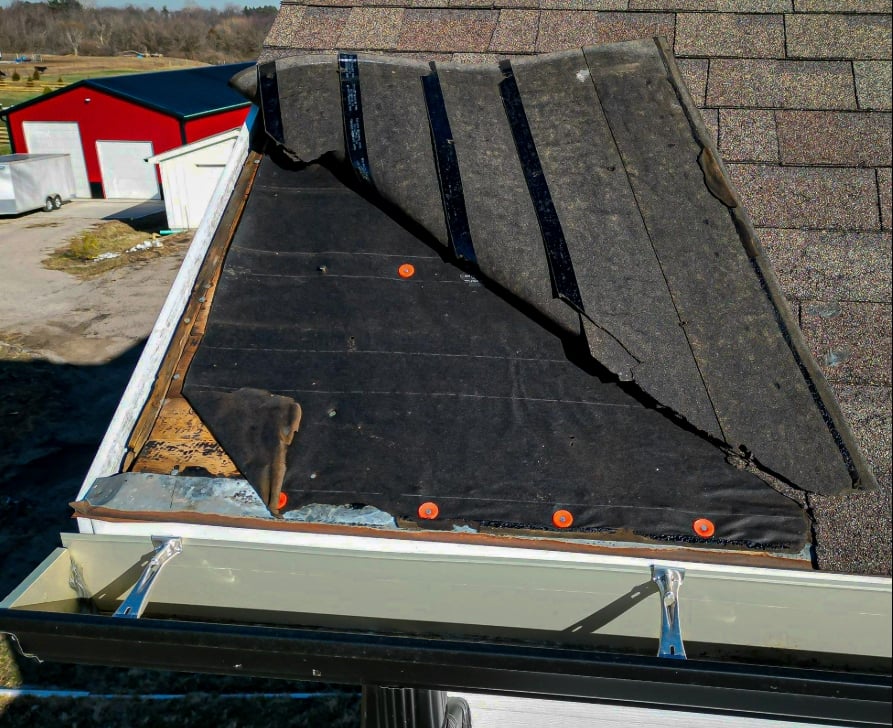
Curling or cracked shingles. This usually means your shingles have dried out and lost flexibility, so they can’t protect against wind and rain like they used to.
Granule loss. Those small, sand-like granules collecting in your gutters or driveway are coming from the surface of your shingles. Once they start shedding, the shingles lose their UV protection and begin to wear out faster.
Dark streaks or stains. That’s usually algae or moisture damage, not only unsightly but also a sign of poor drainage or trapped moisture on your roof.
Missing or damaged shingles. Even small gaps let water in, which can damage the wood decking below.
Damage to look for inside your home
Water stains on ceilings or walls often mean leaks are starting, even if the damage seems minor at first. Pay attention to discoloration, bubbling paint, or peeling drywall, as these can all indicate moisture intrusion.
If you can get into your attic safely, look for daylight coming through the boards or signs of dampness, that’s a red flag. You should also check for wet or compressed insulation, musty odors, or visible mold growth, all of which suggest ongoing moisture problems.
Additionally, keep an eye out for sagging ceilings, warped wood, or dripping sounds during or after rainstorms. These are signs that water may already be pooling and causing structural damage, which can worsen quickly if not addressed.
Multiple variables at play in Roof Life Expectancy
Age is a big factor, but it’s not the only one. Weather, ventilation, and installation quality all play a major role in your roof's life expectancy. For example:
In Ohio, with our freeze-thaw cycles and heavy storms, roofs not properly ventilated or installed can be hit hard. That’s why we always recommend a professional inspection, as they can detect things deeper than you may be able to find.
Professional roofing companies can detect issues early enough to save you from costly repairs down the road. They can provide an estimated timeline and recommended plan of action, which can help you make informed decisions. With so many variables at play, and your safety in mind, what you can see from the ground or inside may not be enough to catch the problems.
Professionals can catch hidden problems that might otherwise go unnoticed.
Your next steps as a homeowner
Take a few minutes and look around your home, inside and out, following the list above.
If you notice any of the signs listed above after your own inspection, it may be time to take the next steps and schedule a professional roof inspection to catch any issues before they become serious or costly.
If you've noticed any of these signs, let our team help you. Schedule a free inspection today and protect your home before repairs become costly.
More from the Learning Center
Uncategorized
by snation
How Long Does a Roof Installation Take?
How Long Does Roof Installation Take? Timeline & What to Expect Replacing a roof can sound stressful. So, here’s what to expect and how we ma...
READ MORE
3 MINUTES
Uncategorized
by snation
What Does Roof Installation Day Look Like?
What Does Roof Installation Day Look Like? As exciting as it is to have a new roof on your home, the process of roof installation can seem stress...
READ MORE
5 MINUTES
Ready for a roof that doesn't
keep you up at night?
Free inspections across Dayton, Columbus, and Cincinnati. Most get scheduled within 48 hours.