How Long Does a Roof Last in Ohio?
- June 1, 2026
- Zach Johnson
Ohio homeowners often ask, “How long should my roof last?”
The answer depends on several factors, including roofing material, weather exposure, ventilation, installation quality, and ongoing maintenance.
In this article, we’ll discuss the average lifespan of a roof in Ohio, how different asphalt shingle types compare, the factors that affect roof longevity, the importance of proper maintenance and ventilation, and the warning signs that may indicate your roof is nearing the end of its service life.
What Is the Average Lifespan of a Roof in Ohio?
The average asphalt shingle roof in Ohio lasts between 20 and 40+ years, depending on the quality of the shingles and how well the roof was installed and maintained.
According to the National Roofing Contractors Association (NRCA), proactive roof inspections and preventative maintenance play a major role in helping asphalt shingle roofing systems reach their expected service life.
Factors that influence roof lifespan include:
-
Severe storms and hail
-
High winds
-
Snow and ice accumulation
-
Roof ventilation
-
Foot traffic
-
Wildlife activity
-
UV exposure
Ohio’s seasonal weather can be particularly demanding on roofing systems due to repeated freeze-thaw cycles.
How Long Do Asphalt Shingle Roofs Last?
Most modern asphalt shingle roofs fall into one of two categories:
Architectural Shingles
Typically last:
-
20–25 years in real-world conditions
Premium Shingles
Typically last:
-
35–40+ years with proper maintenance
While manufacturers may provide longer warranties, actual lifespan depends heavily on weather conditions, attic ventilation, and installation quality.
Why Roof Maintenance Matters
Just like a vehicle requires oil changes and routine service, roofs require periodic inspections and preventative maintenance.
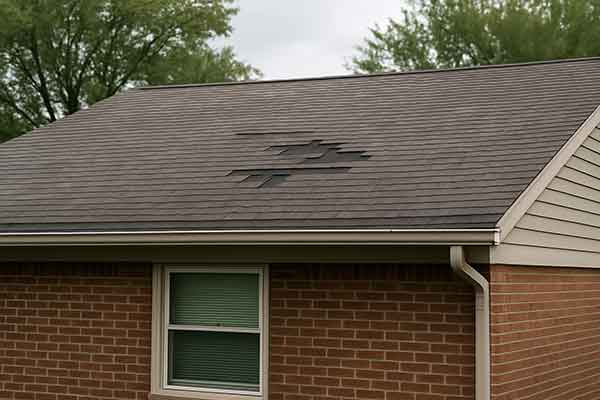
Regular inspections can help identify:
Missing shingles
Loose flashing
Sealant failures
Storm damage
Ventilation problems
The NRCA’s homeowner maintenance guidance emphasizes that routine inspections and preventative maintenance can help homeowners identify issues before they become costly repairs.
Addressing minor issues early can significantly extend roof life and help avoid premature roof replacement.
Why Proper Ventilation Matters
Roof ventilation is one of the most overlooked factors affecting roof longevity.
The U.S. Department of Energy explains that keeping attics dry and properly ventilated helps prevent moisture buildup, reduce the risk of ice dams, and improve overall roof durability.
Poor attic ventilation can contribute to:
Moisture damage
Mold growth
Ice dam formation
Increased energy costs
Shortened roof lifespan
For Ohio homeowners, proper ventilation is especially important due to seasonal temperature swings and freeze-thaw cycles. The Department of Energy notes that a dry, well-ventilated attic helps avoid moisture-related issues while supporting long-term structural performance.
Signs Your Roof May Be Nearing the End of Its Lifespan
Be sure to watch for:
Black Streaks
- These are often caused by blue-green algae growth and may indicate aging roofing materials.
Granule Loss
- Excessive granules collecting in gutters may indicate advanced shingle wear and reduced weather protection.
Visible Fiberglass Mat
- If shingles appear shiny, fibrous, or worn through, the protective asphalt layer may have deteriorated.
Lifting Flashing
- Damaged or loose flashing often creates entry points for water intrusion and leaks.
Sagging Roof Areas
- Structural dips or sagging sections should be inspected immediately by a roofing professional.
Recurring Leaks
- Persistent leaks often indicate deterioration in the roofing system and should never be ignored.
Protecting Your Home
No two roofs age exactly the same. While many Ohio asphalt shingle roofs last between 20 and 40 years, factors such as weather exposure, installation quality, ventilation, and maintenance can significantly affect lifespan.
Routine inspections, proper attic ventilation, and addressing minor issues before they become major problems can help maximize the life of your roof and protect your investment for decades to come.
For additional homeowner roofing resources, visit the National Roofing Contractors Association and the U.S. Department of Energy.
Schedule your free inspection to stay on top of your roof’s maintenance.