
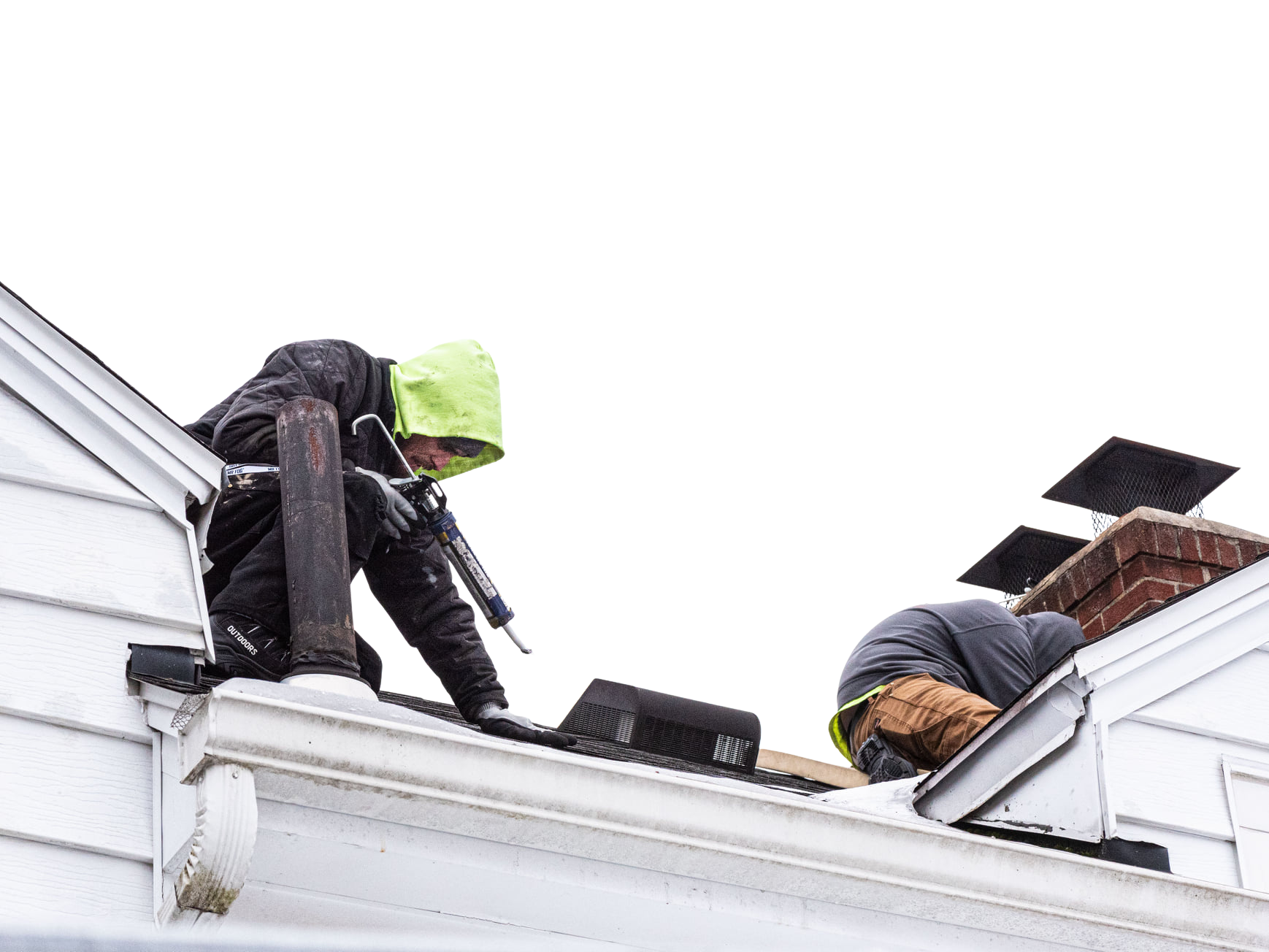
roof inspection
|
by janette
Repair or Replace: Which is the Right Choice For You?
What is really included in the price you've been quoted for a new roof, and why is that so important?
4 MINUTES
Repair or Replace: How to Know What Your Roof Actually Needs
One of the most common questions we hear from homeowners is, “Can my roof be repaired, or do I need to replace it?”
While every roof is different, after decades of inspections and installations, we have learned something important. Most roofs make the answer fairly clear once you know what to look for.
At Van Martin, our job is to help you avoid wasted money, repeated issues, and unnecessary stress. Below, we break down how we evaluate a roof, the warning signs we take seriously, and how homeowners can make a confident, informed decision.
Warning Signs Your Roof Should Not Be Ignored
Some roof problems are easy to spot, while others show up inside your home first. If you are noticing any of the following, it is time to schedule a professional inspection:
- Missing, cracked, or curling shingles
- Granules are collecting in gutters or downspouts
- Sagging or uneven rooflines
- Moss or algae growth
- Water stains on ceilings or walls
- Peeling paint or bubbling drywall
These issues do not always mean you need a full replacement, but they do mean your roof is trying to tell you something.
The First Step: A Professional Roofing Inspection
Before talking about repairs or replacement, we start with two things: age and damage.
Roofing materials are designed to last a certain amount of time. As a roof gets older, even small problems can signal larger issues beneath the surface. During an inspection, we look at:
- The age of your roof
- The condition of shingles, flashing, and decking
- Whether damage is isolated or widespread
- Signs of moisture or structural concerns
This process allows us to recommend a solution that actually solves the problem instead of temporarily covering it up.
What Really Determines Repair vs. Replacement
Here is how we typically guide homeowners through the decision.
Extent of the Damage
If the issue is limited, such as a few missing shingles or a small flashing leak, a repair often makes sense. Widespread damage, sagging, or recurring leaks usually point toward replacement because repairs will not address the root cause.
Age of the Roof
A newer roof with isolated damage is often worth repairing. Once a roof approaches the end of its expected lifespan, repairs tend to become short-term fixes for long-term problems. For a more detailed breakdown on how to examine your roof’s status, visit The Roof Lab.
Cost Over Time
Repairs cost less upfront, but repeated service calls can add up quickly. A replacement requires a larger initial investment, but it often saves money over time by eliminating ongoing repair costs.
History of Repairs
If your roof needs attention every year, that is usually a sign that the system is failing. At that point, replacement is often the more reliable and cost-effective option.
Energy Efficiency
Older roofs frequently lack proper ventilation and insulation. A new roofing system can improve energy efficiency, helping lower heating and cooling costs while increasing overall comfort.
What This Means for Your Roof
If your roof is under 10 years old and the issue is minor, such as storm damage or a single leak, a repair may be all you need.
If your roof is 15 to 25 years old or more, repairs often become temporary solutions to a much larger issue.
Think of it like an old tire. You can patch a small hole, but once the tread is worn down, patches will not last. The same principle applies to an aging roof.
Making the Right Decision for Your Home
Your long-term plans matter. If you plan to move in a few years, a professional repair may make sense in the short term. If this is your long-term home, a full replacement can reduce future stress, improve performance, and provide lasting peace of mind.
A quality roofing company should clearly explain both options, what a repair would involve, what a replacement would cost, and what you can realistically expect from each.
When deciding, focus on:
- The age of your roof
- Its current condition
- Your long-term plans for the home
Our goal is to give you clear, honest guidance so you can make the best decision for your home and your budget with confidence. When you’re ready to take the next step, we’ll walk through it together.
More from the Learning Center
Uncategorized
by snation
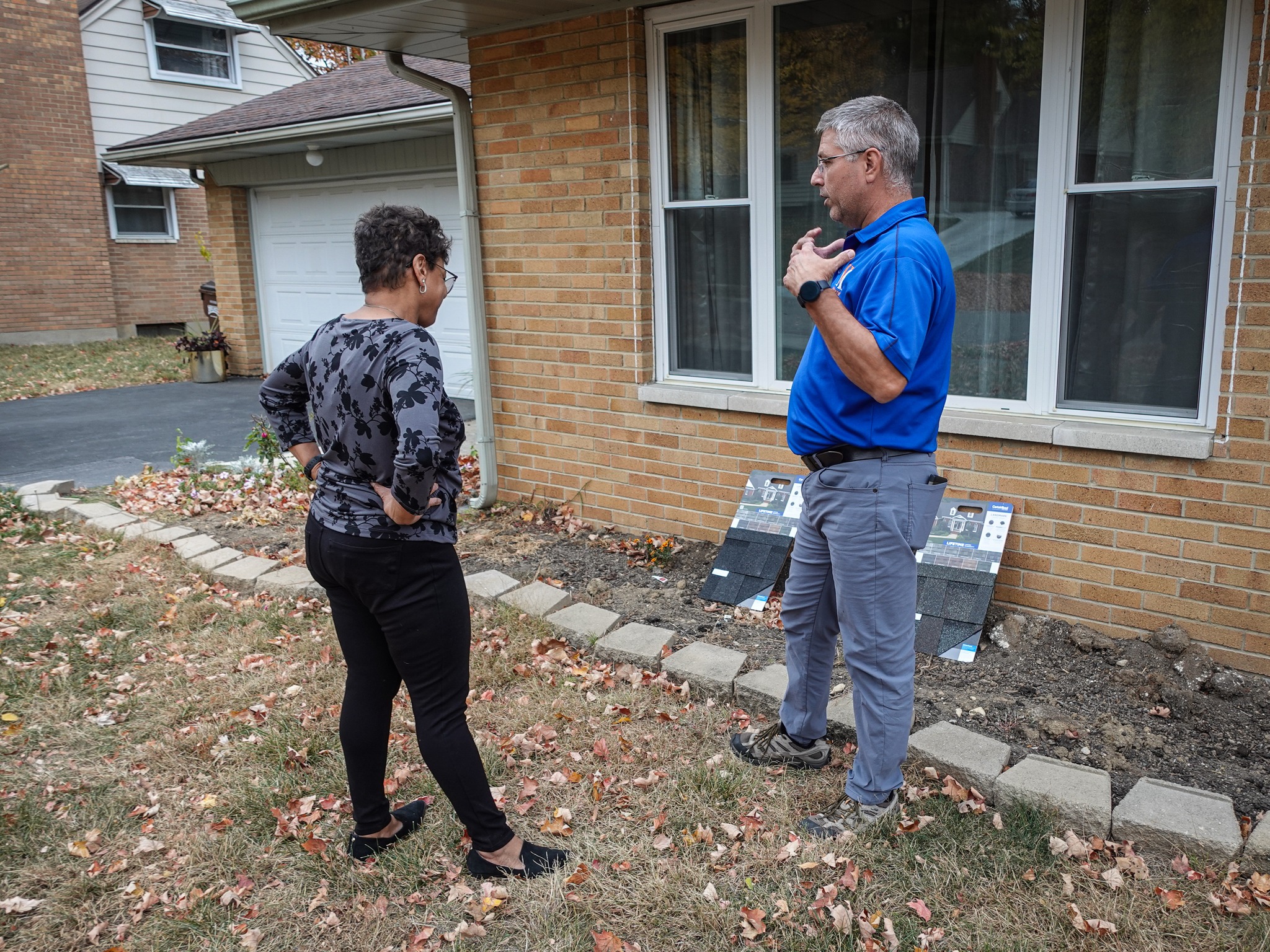
Roofing Company Reputation
Company Reputation Matters More Than Price June 26, 2026 Adam McKibbin, President of Van Martin Roofing Roofing company reputation should be one ...
READ MORE
5 MINUTES
Uncategorized
by snation
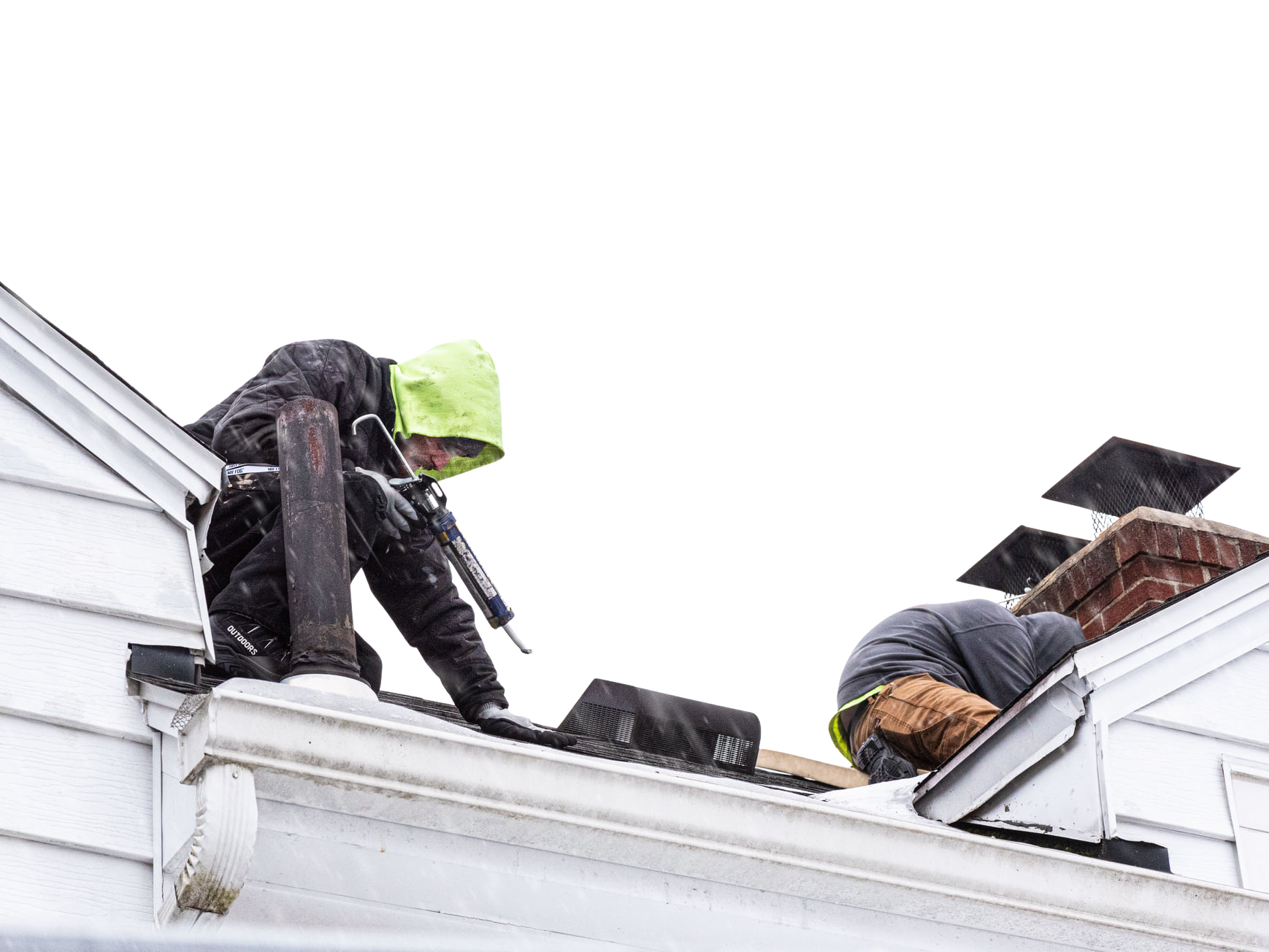
What If It Rains During A Roof Replacement?
What Happens If It Rains During a Roof Replacement? May 14, 2026 Kyle Flannery How Van Martin Prepares for Ohio Weather So, what happens if there...
READ MORE
3 MINUTES
Ready for a roof that doesn't
keep you up at night?
Free inspections across Dayton, Columbus, and Cincinnati. Most get scheduled within 48 hours.