Roof Replacement Guide
|
by snation
Understanding Shingle Warranties: A Homeowner’s Guide
What is really included in the price you've been quoted for a new roof, and why is that so important?
8 MINUTES
What a Manufacturer Roof Warranty Actually
Covers (And What It Doesn’t)
Most shingles come with a manufacturer's warranty, but that basic warranty usually means one thing:
“We cover manufacturing defects.” Not, "we cover your roof leaking.”
Manufacturing Defects vs. Roof Failures: The Key Difference
A manufacturing defect is when the shingle is made incorrectly at the factory:
-
- Abnormal granular loss
- Delamination of asphalt from the shingle material
- Uneven color leading to a patchwork look
Common Reasons Roof Warranty Claims Are Rejected
-
- Installation errors
- Flashing mistakes
- Ventilation problems
- Leaks caused by workmanship
- Storm damage
- Nails in the wrong spot
- Roof-over installs are done incorrectly, where new shingles are installed over old ones
So if your roof leaks because it was installed incorrectly, the manufacturer can basically say: “That’s not a defect. That’s an installation problem.”
And then the warranty doesn’t really help.
We’ve seen this happen firsthand, where homeowners are stuck in the middle, getting bounced between “installer issue” and “manufacturer issue.” Sometimes, even when the manufacturer is willing to help, the process can be frustrating: matching shingles, avoiding patchwork looks, and meeting strict claim requirements.
To be fair, some manufacturers do step up in a big way when there’s a legitimate issue. We’ve seen that too.
That’s why “warranty” is a word that can sound comforting, but it depends on the type of warranty you actually have.
Basic vs. Enhanced Roof Warranties: Understanding Your Coverage Options
There are two main levels of roofing warranties.
Basic Manufacturer Warranties: Limited Protection for Homeowners
-
- Covers shingle defects
- Typically does not cover labor
- Does not cover workmanship
Quick clarification:
“Material warranty” = the shingle itself
“Workmanship” = the installation quality and the details that prevent leaks
A roof can have the best shingles money can buy and still fail early if it’s installed incorrectly.
Enhanced Roofing Warranties: When Certified Contractors Matter
This is where it gets interesting. Enhanced warranties can add things like:
-
- Stronger coverage periods
- Labor coverage
- Tear-off and disposal costs
- Workmanship coverage backed by the manufacturer
Here’s the part most homeowners don’t realize:
Manufacturers typically only back workmanship when the roof is installed by their top-tier certified contractors. Lower certification levels may qualify for enhanced material coverage, but not manufacturer-backed workmanship. So if the roofer isn’t properly certified at the highest level, you may not qualify for the strongest protection available.
That’s where cheap roof quotes can become dangerous.
Why Cheap Roofing Quotes Often Lead to Warranty Problems
Low-priced roofing quotes usually cut corners in materials, labor, or process. In roofing, a cheap quote typically skips quality in one of three areas: materials, labor, or process.
Warning Signs Your Roofer May Void Your Warranty
When it comes to your home’s first line of defense against storms, wind, ice, and water, do you really want “cheap” protection? It’s not a judgment, it’s a real-life risk.
Here’s what can happen with a low-price roofer:
1) They don’t tell you the brand of shingle.
If your quote just says “architectural shingles,” that’s not enough. That’s like ordering a “car” and not knowing if it’s a coupe or a truck.
2) They aren’t certified, so you may not qualify for upgraded warranties.
If they can’t offer top-tier enhanced warranties, you may be stuck with only basic defect coverage.
3) They cut corners on the “system.”
This matters more than people realize. They can cut corners on:
-
- Starter strip
- Underlayment
- Proper ventilation
Those things aren’t “extras.” They’re the roof actually working as a system.
4) The biggest one: they lay a roof over your existing shingles.
Yes, it’s legal in some situations, but it can also cause problems:
-
- Hides decking damage
- Adds weight
- Traps heat
- Reduces lifespan
- Makes future repairs much harder
It can also complicate warranty eligibility depending on the shingle brand and installation conditions. Even if a contractor is “certified,” manufacturers often have multiple certification levels, and not every certified roofer can offer the top-tier warranty that includes manufacturer-backed workmanship.
So, if someone is way cheaper than everyone else, it’s fair to ask: “What exactly are they not doing?”
Because you’re not buying shingles. You’re buying peace of mind.
Roof Warranty Comparison: GAF vs. Owens Corning vs. CertainTeed vs. TAMKO
Below is a breakdown of enhanced warranty programs from major manufacturers. One major takeaway across brands:
The manufacturer only backs workmanship when the roof is installed by their highest certification tier. Other certification levels may offer enhanced coverage, but not full manufacturer-backed workmanship protection.
GAF
GAF has tiered warranties, and its higher coverage options are tied to certified contractors. For example, GAF’s Golden Pledge® warranty is widely known as its top-level coverage and is commonly described as including enhanced protections beyond basic material defects.
GAF also references the President’s Club contractors as its highest tier, associated with expanded labor and workmanship coverage terms.
GAF’s enhanced coverage is strongly connected to its certified contractor programs.
Owens Corning
Owens Corning has a very clear warranty comparison structure.
Its top-level coverage, such as Platinum Protection, requires installation by an Owens Corning Platinum Preferred Contractor.
If your roofer isn’t Platinum Preferred, you generally don’t qualify for Platinum-level warranty coverage, including manufacturer-backed workmanship protection.
CertainTeed
CertainTeed’s upgraded warranty system includes SureStart PLUS. Its highest-tier coverage is tied to its top credential level, SELECT ShingleMaster™.
CertainTeed states that SELECT ShingleMaster contractors are authorized to offer 5-Star SureStart PLUS coverage, which includes the strongest workmanship protections available through the manufacturer.
CertainTeed is very direct about enhanced warranty access being certification-based.
TAMKO
TAMKO’s contractor program includes multiple certification levels, with Diamond Contractor as its top tier.
TAMKO Pro Certified Contractors may offer Enhanced Limited System Warranties. However, access to the strongest enhanced protections, including manufacturer-backed workmanship coverage, is tied to TAMKO’s highest certification level, Diamond Contractor.
Like the other brands, enhanced warranty access depends on certification level and full system installation requirements.
Do Enhanced Roof Warranties Cost More? What Homeowners Should Expect
This is what homeowners always ask next, and the answer is, most reputable roofing companies do cost more because they must:
-
- Maintain certification
- Meet strict installation requirements
- Install the full roofing system
- Register the warranty correctly
- Follow manufacturer specifications to protect eligibility
So yes, it’s more expensive, but it’s also more protective.
Roof Warranty Checklist: 5 Questions to Ask Before Hiring a Roofer
Before you sign ANY roofing contract, ask the roofer these five questions:
-
- What brand and model shingles are you installing?
- What certification level are you with the manufacturer?
- Which warranty tier am I getting, basic or enhanced?
- Does the warranty include labor or manufacturer-backed workmanship?
- Will you register the warranty and provide proof?
If a roofer can’t answer these clearly, you’re not buying a roof, you’re buying a future problem. And that’s a major red flag.
How to Protect Your Roof Warranty and Avoid Costly Repairs
A solid warranty is only as good as the contractor who installs it.
Make sure you understand your coverage before you commit. Understanding your warranty before committing can save you thousands in future repairs.
Choose wisely. Ask questions. Protect your investment.
When homeowners understand what their warranty truly covers, they’re in a much better position to choose a roof system that protects their home long-term.
If you’re considering a roof replacement and want to understand exactly what warranty protection entails, schedule an appointment with our team and we’ll walk you through your options.
Did you know that more than 99% of roof failures aren’t covered by the shingle warranty? Because most roof failures happen for one of three reasons: your roof is old, it was installed incorrectly, or it got wrecked by a storm.
And here’s the key part: those are failures, not defects. So, the manufacturer usually says, “Sorry… not covered.”
And that’s where homeowners get blindsided. Because most people hear “30-year warranty” and assume that means if their roof fails, they’re protected. But in reality, that’s not how these warranties work.
In our experience of nearly 2,900 full roof replacements, we’ve only had ONE roof ever qualify for a true manufacturer defect claim. In this article, we will be discussing:
- What manufacturer warranties actually cover
- What they don’t cover (and why most claims get denied)
- What changes if your roofer is certified
- What upgraded warranties look like from GAF, Owens Corning, CertainTeed, and TAMKO
https://youtu.be/tvEZ6vByKts?si=6sivoZOvWaDNrPiS
More from the Learning Center
Uncategorized
by snation
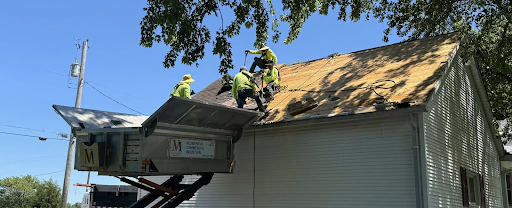
Roof Installation Preparation for Homeowners
How to Prepare for Roof Installation: Homeowner Checklist So, you’re getting a new roof, how exciting! If you’re wondering how to prepare for a r...
READ MORE
3 MINUTES
Uncategorized
by snation
Will Insurance Pay for a Roof Claim?
Will Insurance Pay for a Roof Claim? If you’re dealing with roof damage, one of the first questions you’ll ask is: will your insurance actually c...
READ MORE
3 MINUTES
Ready for a roof that doesn't
keep you up at night?
Free inspections across Dayton, Columbus, and Cincinnati. Most get scheduled within 48 hours.