If you’ve ever invested in a “30-year roof” only to replace it after 15 or 20 years, you’re not alone. It’s one of the biggest frustrations homeowners face, and a big reason people ask why roofs fail early.
It’s also one of the most common questions we hear. When you’re told your roof is built to last 30 years, it’s only natural to expect it to actually reach that lifespan.
But here’s the reality: that “30-year” label is based on ideal conditions—perfect installation, proper ventilation, and mild, consistent weather. And here in Ohio… those conditions are far from guaranteed.
What really makes your roof fail early
Poor ventilation.
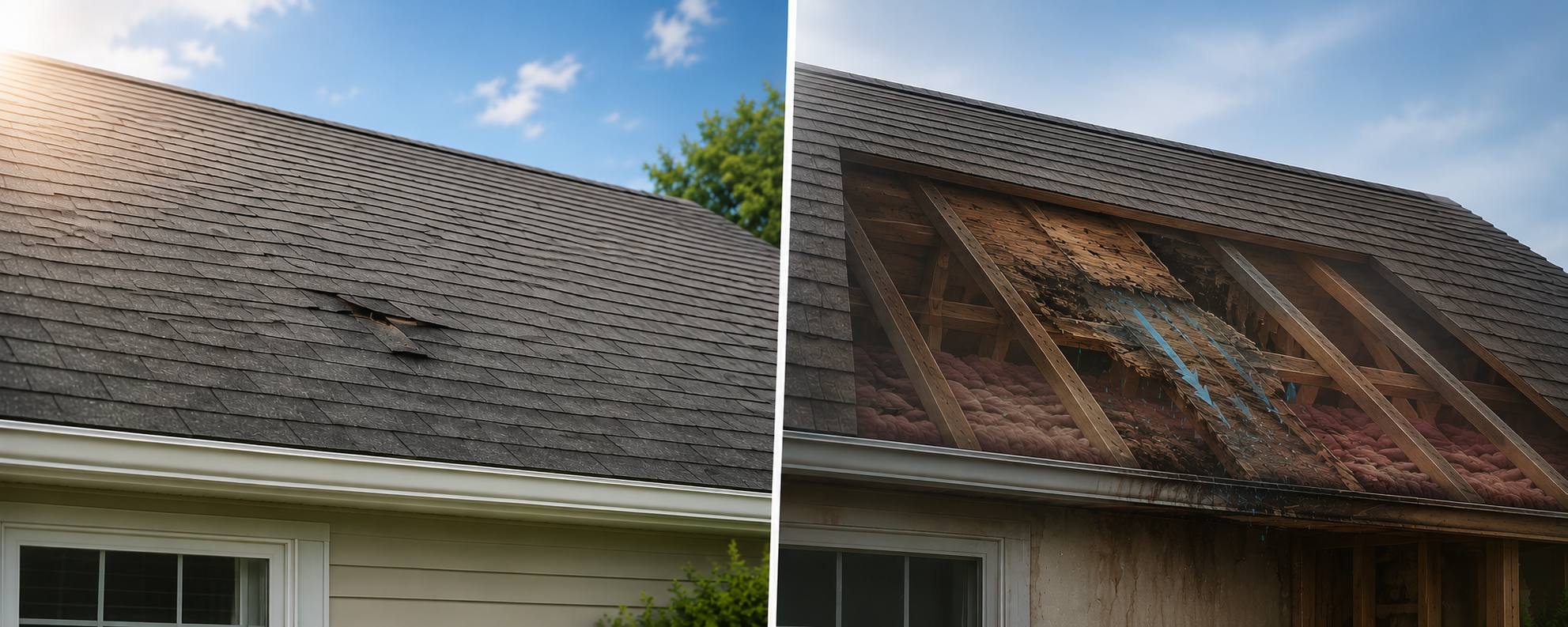
Your roof and attic have to “breathe.” If hot air and moisture can’t escape, the attic can reach 140°F or more on a summer day. That trapped heat bakes your shingles from underneath, drying them out and making them brittle. It also causes condensation in winter, which leads to mold and wood rot over time.
Extreme Ohio weather.
The freeze-thaw cycles we get — warm one day, freezing the next — make shingles expand and contract, loosening the seal and letting water in. Add hail, heavy rain, and strong wind, and it’s easy to see how even a good shingle can wear down faster than advertised.
Workmanship and installation quality.
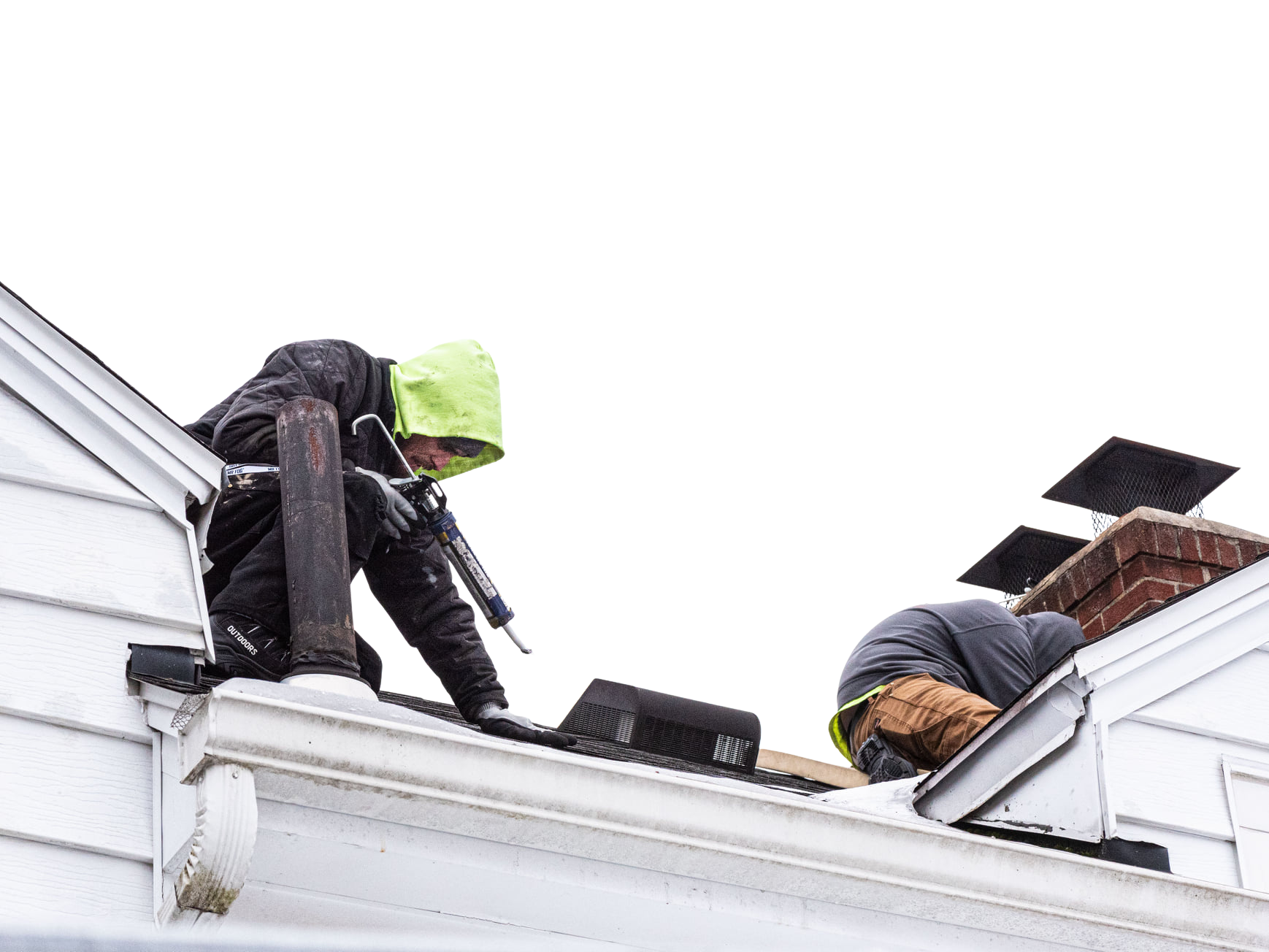
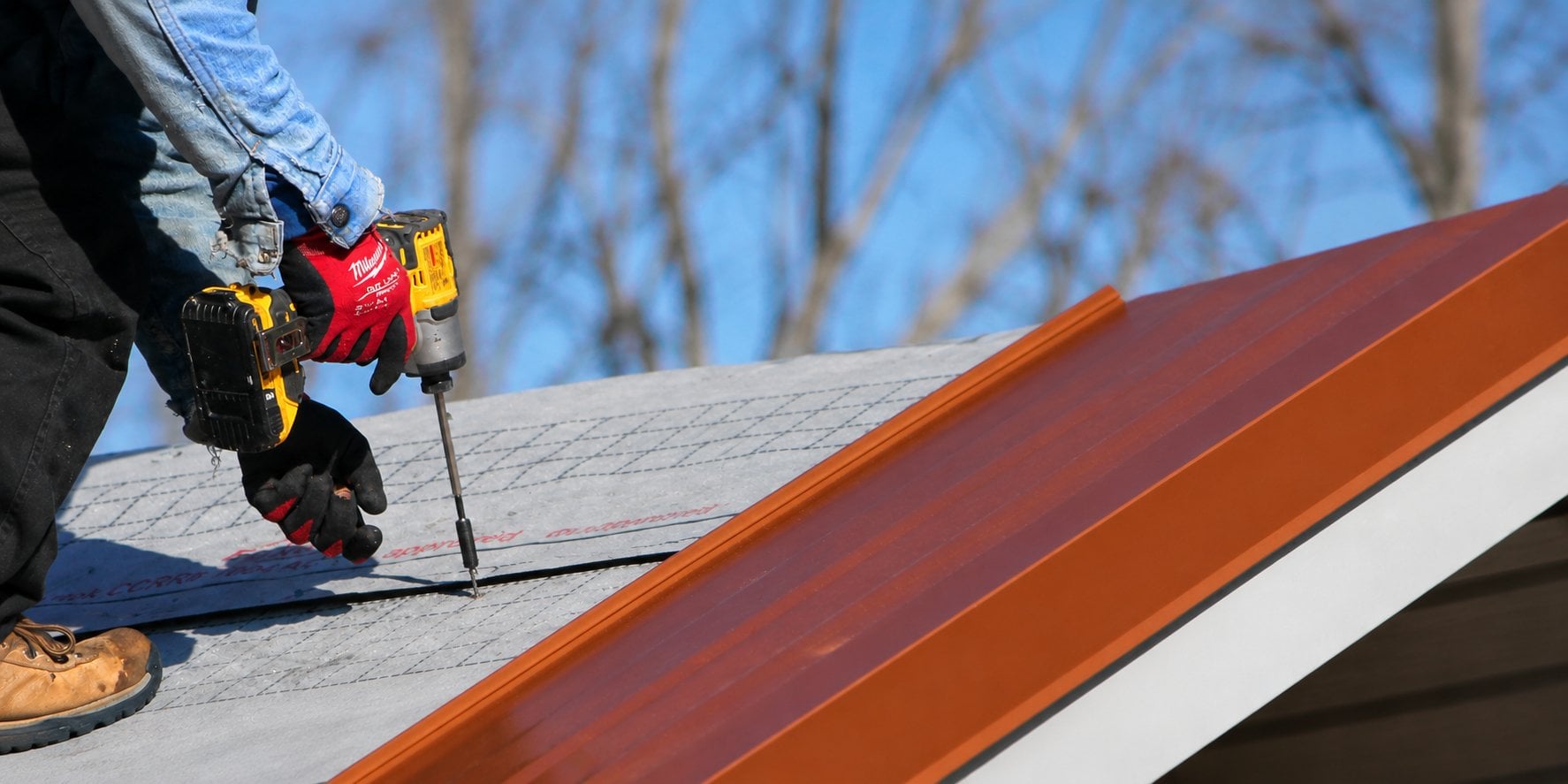
Even the best materials can fail early if they’re not installed correctly. Things like improper nailing, skipped underlayment, or poor flashing details around vents and chimneys all lead to leaks long before the material itself “wears out.”
Shingle quality and system design.
A “30-year roof” label doesn’t guarantee performance — it’s based on testing, not real-world conditions. And if the roof wasn’t installed as a complete system — meaning shingles, underlayment, flashing, and ventilation all working together — it won’t perform as long as it could.
Environmental factors.
Trees that hang over the roof, constant shade, and trapped moisture cause moss or algae to grow. That slowly eats away at the shingles and traps water, shortening the roof’s lifespan even more.
So, if your 30-year roof only lasted 15 or 20 years, it doesn’t necessarily mean you were sold bad shingles; it’s usually a combination of environment, workmanship, and maintenance.
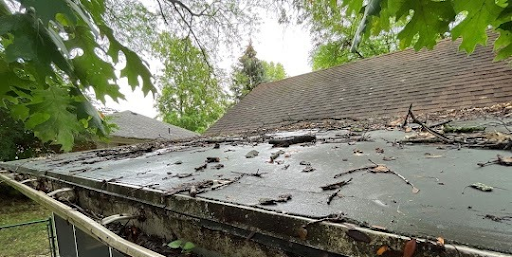
What does this mean for you as a homeowner?
As a homeowner, it's never a good feeling when you realize your roof is failing early. You’re left with a rapidly aging roof after being promised a “30-year roof." What do you do now?
Get a professional roof inspection.
- Don’t guess. Have a qualified contractor inspect the shingles, flashing, ventilation, and attic conditions to identify why the roof is failing, not just where.
Check your warranty (and read the fine print).
- Many “30-year” warranties are prorated and only cover materials, not labor or installation issues. Knowing what’s actually covered helps set realistic expectations. We actually have an article that goes into detail about warranties; check it out here.
Evaluate your ventilation and attic health.
- Proper intake and exhaust ventilation can dramatically extend roof life. Fixing airflow issues now can prevent the same problems from happening again, preventing an early roof failure.
Address small issues early.
- Minor leaks, lifted shingles, or failing flashing can often be repaired before they turn into major damage, if they’re caught in time. If you noticed anything recently, it may be time for an inspection to catch any issues before they grow.
Ask questions before replacing the roof.
- If replacement is necessary, don’t just ask about shingle brand or warranty length. Ask how the roof system will be designed, how ventilation will be handled, and who is responsible for workmanship long-term.
Choose a contractor who prioritizes systems, not shortcuts.
- A roof is more than shingles. Look for a contractor who treats it as a complete system and can explain why their process leads to longer-lasting results.
Moving forward, asking the right questions, understanding warranty limitations, and working with a contractor who prioritizes proper installation and long-term performance can make the difference between a roof that truly lasts and one that fails before its time.
If you've noticed any issues or want to stay on top of your roof's condition, let our team help. Schedule your free inspection today and get ahead of costly repairs and stress on your home.