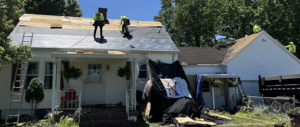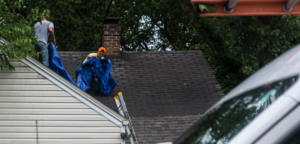
Storm Damage Roof Inspection in Ohio
When a storm hits Ohio, bringing hail, high winds, or heavy rain, your roof takes the brunt of the damage. But not all storm damage is visible from the ground.
A storm damage roof inspection is the first step to identifying issues, protecting your home, and deciding whether you should file an insurance claim.
What Is a Storm Damage Roof Inspection?
A storm damage roof inspection is a professional evaluation that checks for wind, hail, and water damage, both visible and hidden.
In Ohio, where freeze-thaw cycles and frequent storms accelerate roof wear, inspections are critical for catching damage early and determining if it qualifies for an insurance claim.
What Does Storm Damage Look Like on a Roof?
Common signs of storm damage in Ohio include:
- Shingles in your yard
- Dents in gutters, siding, or vents
- Granules are collecting in gutters
- Water stains on ceilings
- Leaks or attic moisture
- Higher energy bills due to insulation damage
If you notice any of these, you should schedule an inspection immediately. You can check for visible damage from the ground, but you should not climb onto your roof.
Professional roofers are trained to safely identify both obvious and hidden damage that homeowners often miss.
Exterior Roof Inspection
A roofing professional looks for the most common types of storm damage in Ohio, including:
- Missing or lifted shingles from high winds
- Hail damage (bruising, soft spots, or granule loss)
- Cracked, broken, or curling shingles
- Damaged flashing around chimneys, vents, and skylights
- Dented gutters, downspouts, and metal components
These are key indicators to look for when searching for storm damage.
Interior Roof Inspection
Not all damage is visible outside. Inside your home, you may notice:
- Water stains on ceilings or walls
- Active roof leaks
- Attic moisture or mold growth
- Wet or compressed insulation
In Ohio, heavy rain and humidity can quickly turn small issues into costly repairs.
Why a Roof Inspection Matters After an Ohio Storm
A professional roof inspection gives you a clear, accurate understanding of your roof’s condition after severe weather. Instead of guessing or overlooking hidden damage, you’ll know exactly what’s going on—and what to do next.
1. Confirms the True Condition of Your Roof
Not all storm damage is obvious. An inspection identifies whether your roof has minor wear, repairable damage, or more serious issues that need immediate attention.
2. Uncovers Hidden Damage
Storms can cause damage beneath the surface that you can’t see from the ground. A professional inspection reveals issues like bruised shingles, moisture intrusion, or weakened materials before they turn into bigger problems.
3. Helps You Make Informed Decisions
With a clear assessment, you can confidently decide whether your roof needs simple repairs, maintenance, or a full replacement—without second-guessing.
4. Prevents Small Issues from Getting Worse
Catching damage early can save you from more expensive repairs down the road. What starts as minor storm damage can quickly worsen, especially with Ohio’s freeze-thaw cycles.
5. Gives You Peace of Mind
After a storm, uncertainty is stressful. A thorough inspection provides clarity, so you know your roof is either in good shape—or exactly what steps to take next.
When Should You Schedule an Inspection After a Storm?
You should schedule a roof inspection within a few days after a storm.
Delaying an inspection can allow hidden damage to worsen over time, turning small issues into more serious and costly problems, especially with Ohio’s changing weather conditions.
Schedule your inspection, protect your home
A professional inspection helps Ohio homeowners confirm real storm damage, avoid denied claims, and make confident decisions. Acting quickly can prevent small issues from turning into major repairs.
Schedule your free storm damage roof inspection and get clear, honest answers before moving forward with your insurance claim.