
Roof problems rarely come with a clear answer attached.
A leak, missing shingles, or storm damage can leave you wondering whether a repair will actually hold or if the roof has reached the end of the line. That uncertainty feels stressful, especially when cost and timing both matter.
This guide walks through how to tell the difference between a roof that still makes sense to repair and one that’s better off replaced. By the end, you’ll know which signs matter most and how to move forward with confidence.
What Roof Repair Really Means
Roof repair works best when damage stays contained.
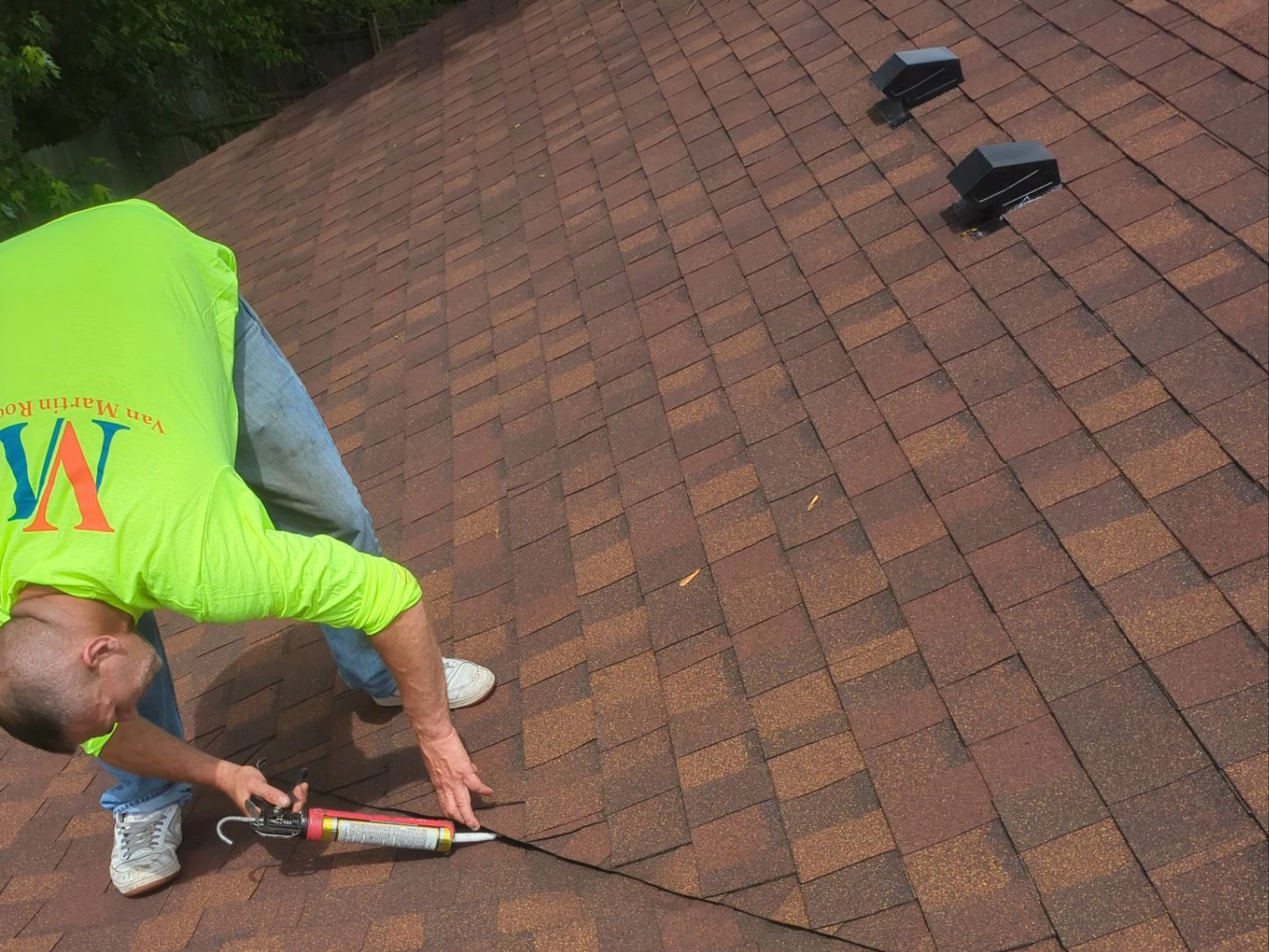
A repair focuses on fixing a specific problem area without disturbing the rest of the roof. That often means replacing a small number of shingles, resealing flashing around a vent or chimney, or correcting a leak tied to one weak spot.
Repairs make sense when the surrounding materials still seal properly and the roof hasn’t started failing in multiple places. In those situations, a targeted fix restores protection and buys you more usable time without committing to a full replacement.
Scope is the deciding factor. Once problems spread beyond a small area, repairs tend to lose their staying power.
When a Repair Is Usually the Right Call
Some roofs still have plenty of life left.
Repairs tend to work well when the damage comes from a single event or a known weak point, rather than overall wear across the system. In those cases, fixing the problem area often stops the issue completely.
A repair is usually the right move when:
- Damage stays limited to a small section of shingles or flashing
- Leaks trace back to one vent, pipe boot, or chimney area
- Storm damage hasn’t spread across multiple slopes
- The roof is still in the earlier part of its expected lifespan
When the rest of the roof remains sealed and stable, a repair can restore performance without opening up healthy areas. Catching these issues early keeps the fix simpler and more predictable.
What Roof Replacement Actually Involves
Replacement resets the entire roofing system.
A full replacement removes the old materials down to the roof deck so the roofer can inspect what’s underneath. Any damaged decking gets addressed, then new underlayment, flashing, and shingles or panels go on as a complete system.
This approach matters when problems keep popping up in different areas or the roof has reached an age where repairs stop holding.
Replacement isn’t about fixing one failure point. The goal is consistent protection across the whole roof so leaks, heat loss, and maintenance issues don’t keep returning.
When wear shows up everywhere, starting fresh usually brings more stability than patching one spot at a time.
Signs a Roof Has Moved Beyond Repair
Certain patterns point toward a bigger issue.
A roof that needs replacement usually shows damage in more than one place, even if the problems look unrelated at first. Those signs suggest the system is wearing down as a whole, not just at one weak spot.
Common indicators include:
- Leaks appearing in different rooms or returning after past repairs
- Shingles curling, cracking, or losing granules across large sections
- Soft spots or sagging areas in the roof deck
- Flashing failures at multiple vents, walls, or chimneys
- A roof that’s near or past its expected lifespan
When several of these show up together, repairs often turn into a cycle. Replacement breaks that pattern and gives you a clean starting point instead of chasing the next issue.
How Cost Factors Into the Decision
Price matters, but context matters more.
A repair usually costs less upfront because the work stays focused on one area. That works well when the fix truly solves the problem and doesn’t need repeating.
When repairs keep stacking up, the total cost can creep closer to replacement without delivering long-term reliability. Replacement costs more at the start, but it also resets the clock. New materials, fresh underlayment, and properly installed flashing reduce ongoing maintenance and help stabilize energy costs over time.
Looking at cost through a longer lens often clarifies the decision. One solid investment can make more sense than several smaller fixes that never fully solve the problem.
How Long You Plan to Stay in the Home
Future plans can tip the scale.
A short-term stay often leans toward repair, especially when the roof still has useful life left and the issue stays contained. Fixing the problem now can buy time without overinvesting right before a move.
Long-term ownership changes the math. Ongoing repairs become more frustrating, and uncertainty grows every time the weather turns. A replacement brings predictability, fewer surprises, and less maintenance over the years ahead.
Thinking about where you’ll be in five or ten years helps frame the choice. The right decision usually lines up with how long you expect the roof to keep working for you.
Cost Today vs. Cost Over Time
Sticker price tells only part of the story.
A repair often makes sense when the fix is straightforward and the rest of the roof still holds up well. You solve the immediate problem and move on.
Repeated repairs add up quietly. Paying for the same roof in stages can pass the cost of a full replacement without delivering the same reliability. Energy loss, interior damage, and insurance complications can also sneak in when a roof keeps limping along.
Looking at the full timeline helps. The goal isn’t the cheapest invoice today. The goal is steady protection without dragging the problem out year after year.
Questions That Help You Decide
When the answer still feels fuzzy, a few practical questions usually bring things into focus.
Ask yourself:
- How old is the roof, and how close is it to the end of its expected lifespan?
- Has the same issue come back more than once?
- Does the damage stay confined to one area, or show up in different spots?
- Are repairs becoming more frequent or more expensive?
- How long do you plan to stay in the home?
A roof that checks several of these boxes often points toward replacement. A roof that doesn’t usually has more life left in it.
Clarity comes from looking at patterns, not just one problem in isolation.
Getting a Clear Answer Without Guesswork
At some point, a second set of eyes helps.
A professional inspection sorts out what’s actually happening on the roof versus what just looks concerning from the ground.
A roofer checks the surface, the flashing, and the attic so nothing important gets missed.
For Dayton homeowners, Van Martin Roofing offers free, no-pressure inspections.
You’ll get a clear explanation of what’s going on, what can wait, and what needs attention now, so you can make the right call for your home without being pushed into a bigger project than you need.
Key Takeaways
- Roof repairs work best when damage stays limited to one area and the rest of the roof still seals properly
- Replacements make more sense when issues show up in multiple spots or repairs keep coming back
- Roof age and overall wear matter more than a single leak or missing shingle
- Repeated repairs can cost more over time than replacing the roof once
- How long you plan to stay in the home should factor into the decision
- A professional inspection helps confirm whether a repair will hold or if replacement is the safer move
Homeowners Also Ask:
How do I know if my roof can be repaired instead of replaced?
A roof is usually repairable when damage stays confined to one area, like a small shingle section or flashing around a vent. Surrounding materials should still look intact and seal tightly. Once problems spread across multiple areas, repairs tend to stop holding.
Is it cheaper to repair a roof or replace it?
Repairs cost less upfront, but replacement often costs less over time when repairs keep repeating. A single repair makes sense if it solves the problem fully. Multiple repairs over several years can quietly add up to more than a replacement.
How old is too old to repair a roof?
Age alone doesn’t force replacement, but it plays a big role. Asphalt roofs nearing twenty to twenty-five years old often stop responding well to repairs. Materials lose flexibility, seals weaken, and small fixes don’t last as long.
Can a roof leak be fixed without replacing the whole roof?
Yes, many leaks come from flashing, pipe boots, or a small damaged area. Fixing the exact entry point often solves the issue if the rest of the roof remains sound. Recurring leaks in different areas usually point to a larger problem.
Should I repair my roof if I plan to sell soon?
A repair often makes sense for short-term plans if the roof still has usable life and the issue is contained. For long-term ownership, replacement can reduce future headaches and provide more predictable protection.